
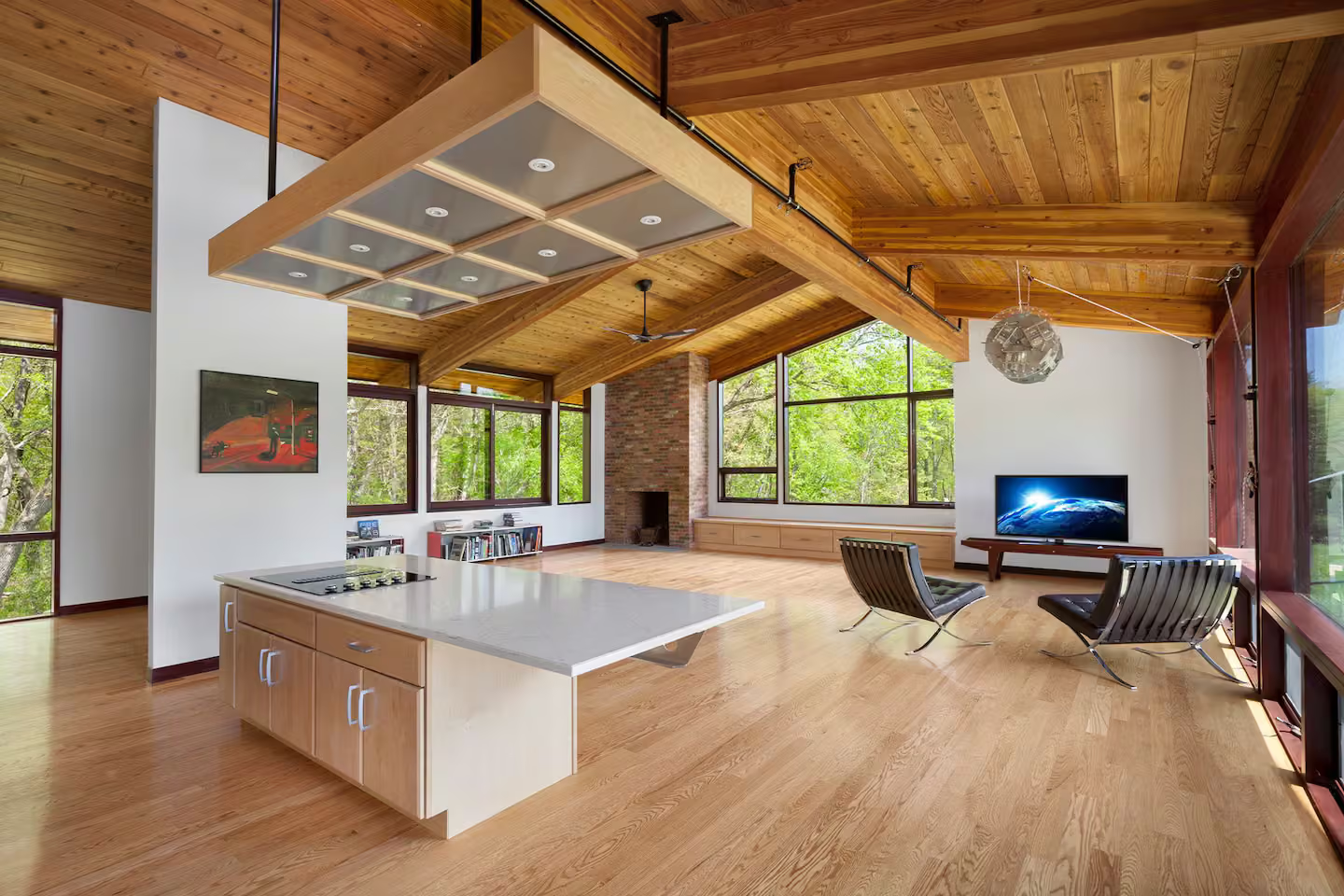
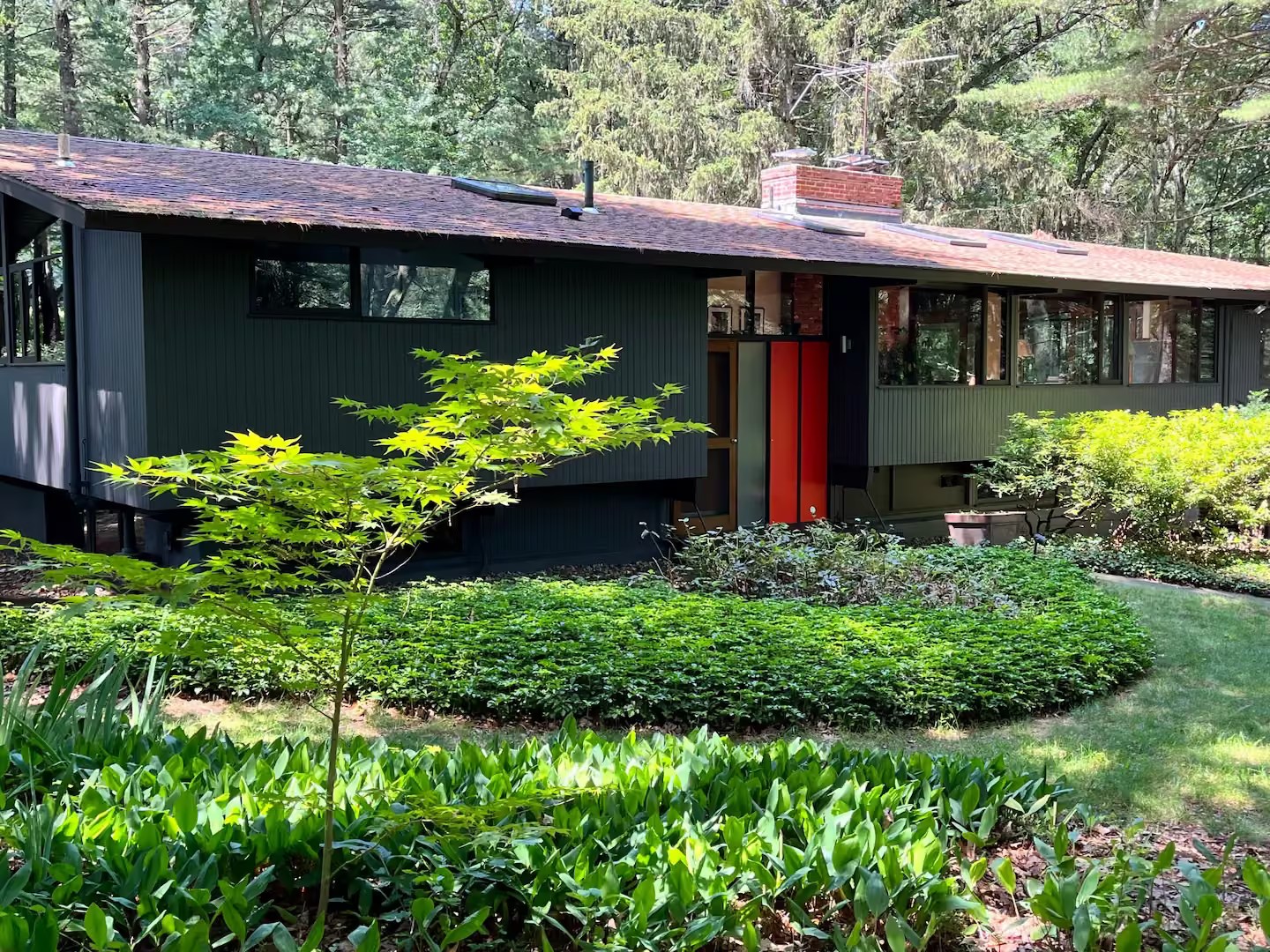
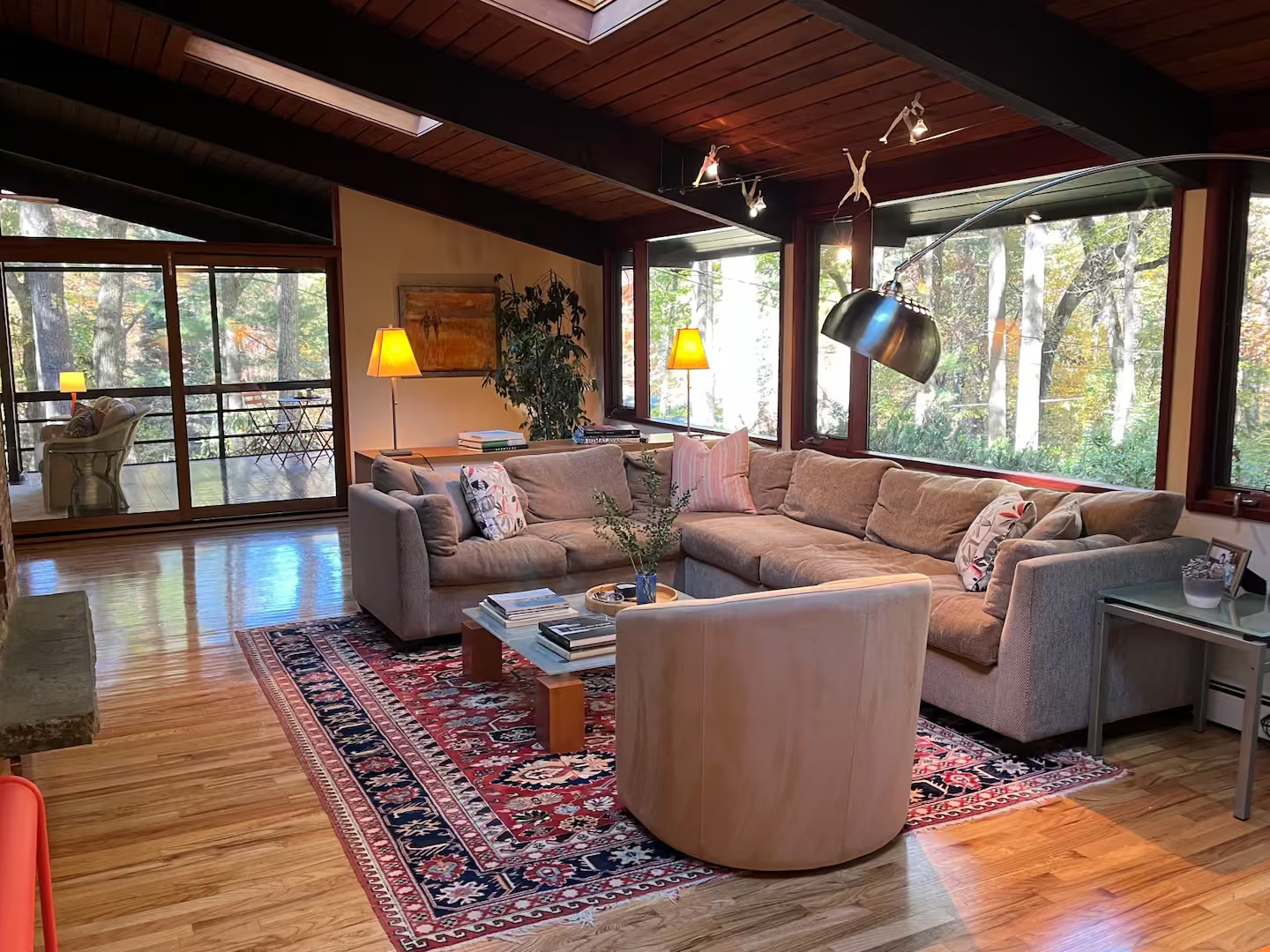
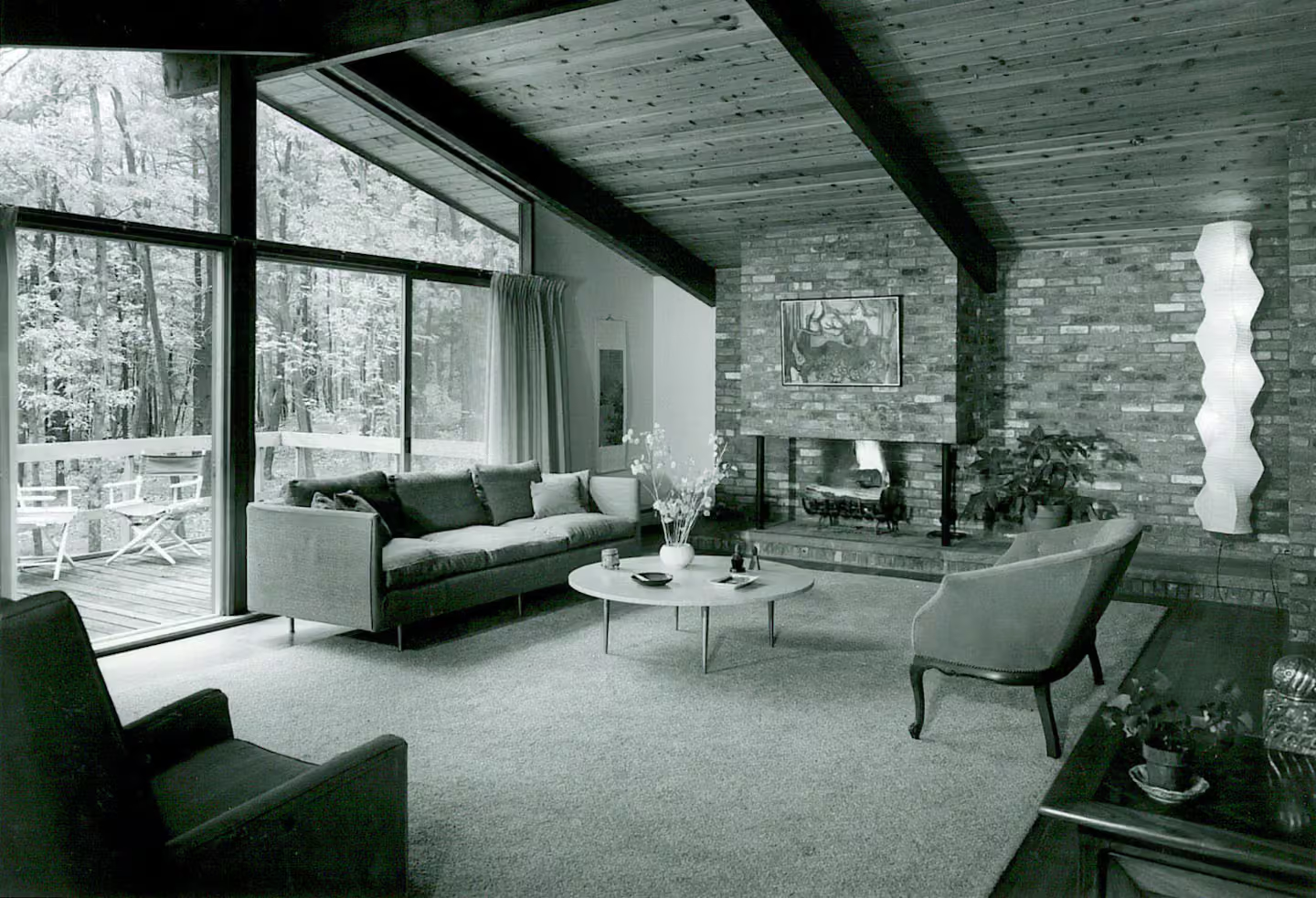
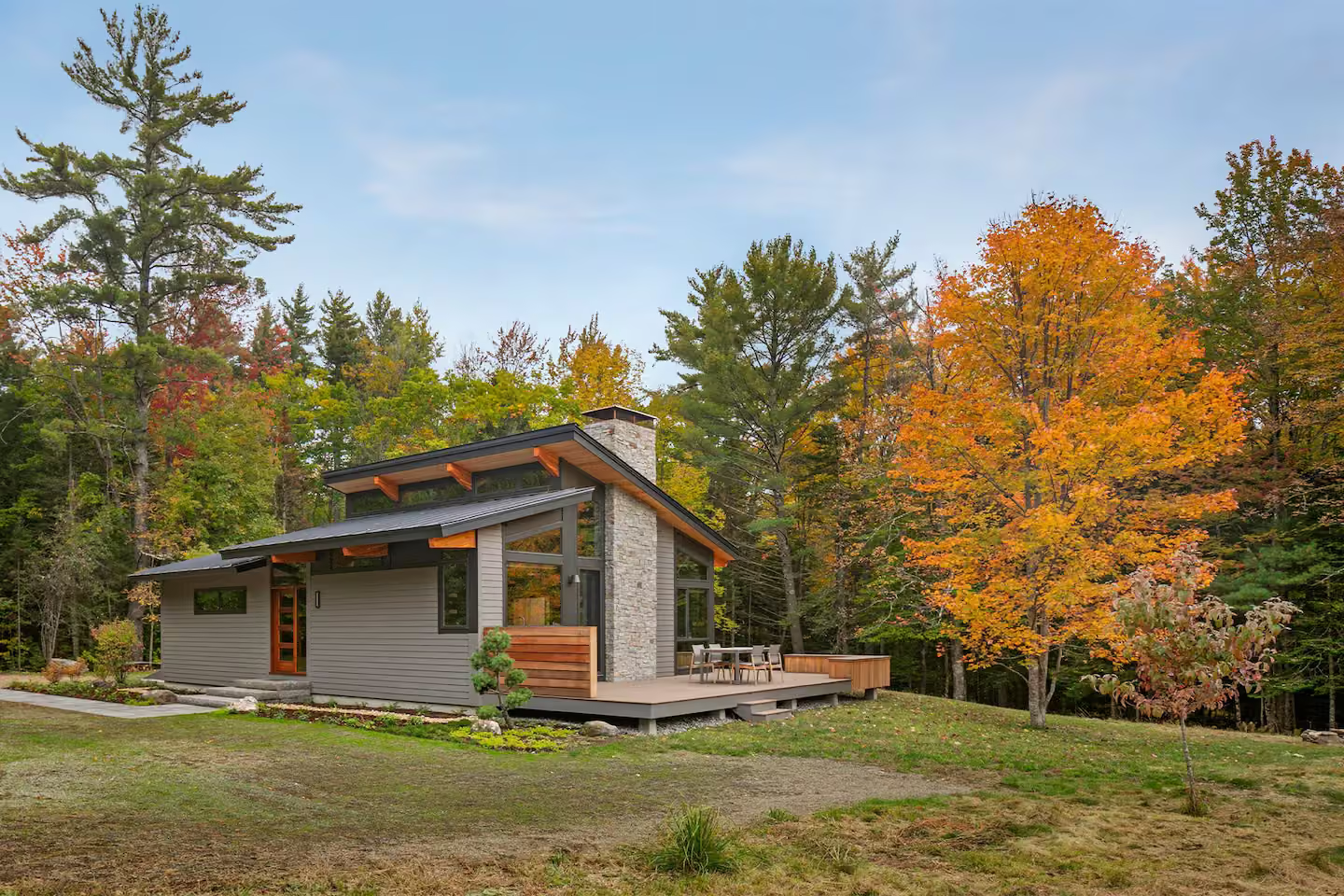
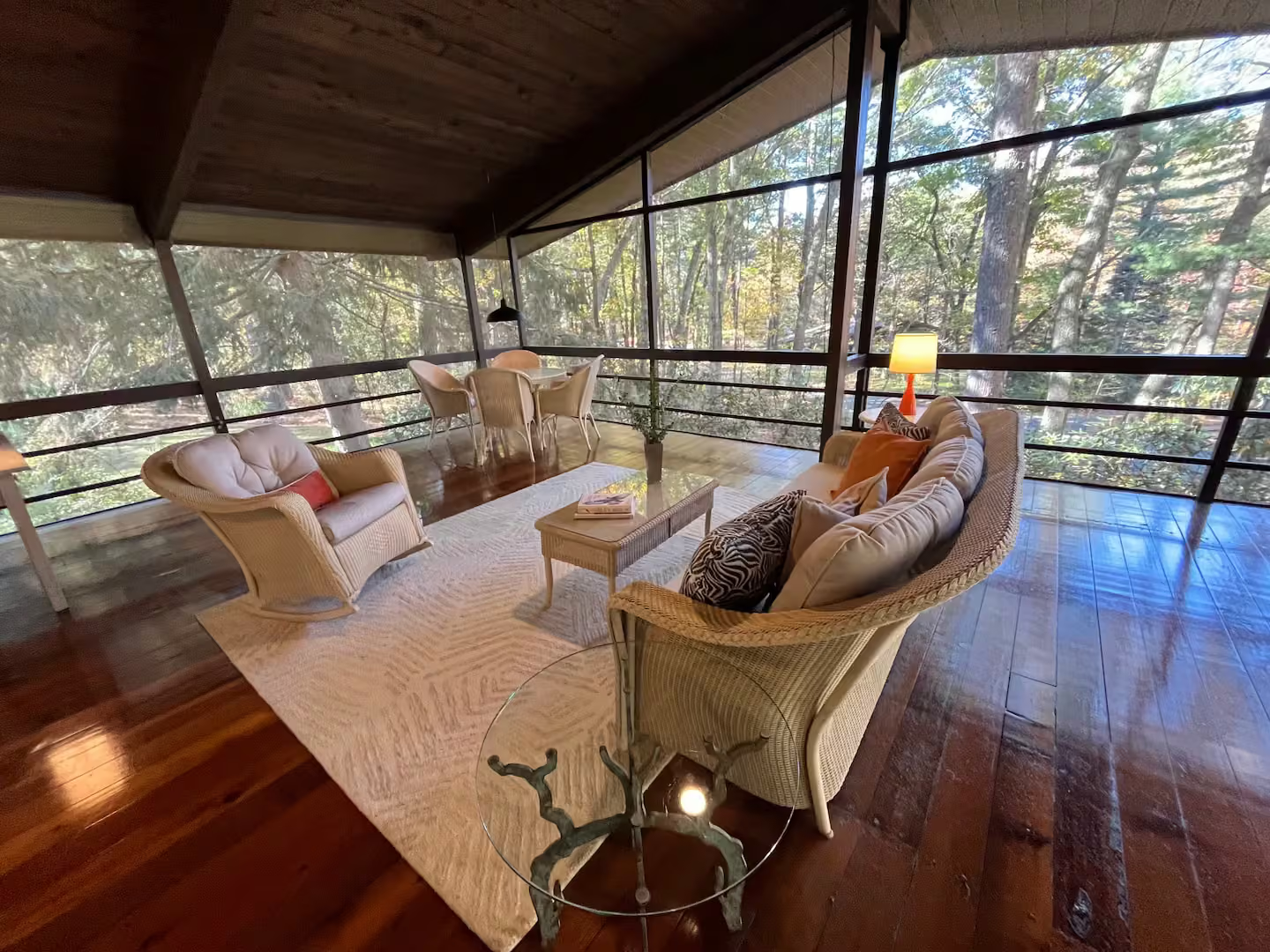
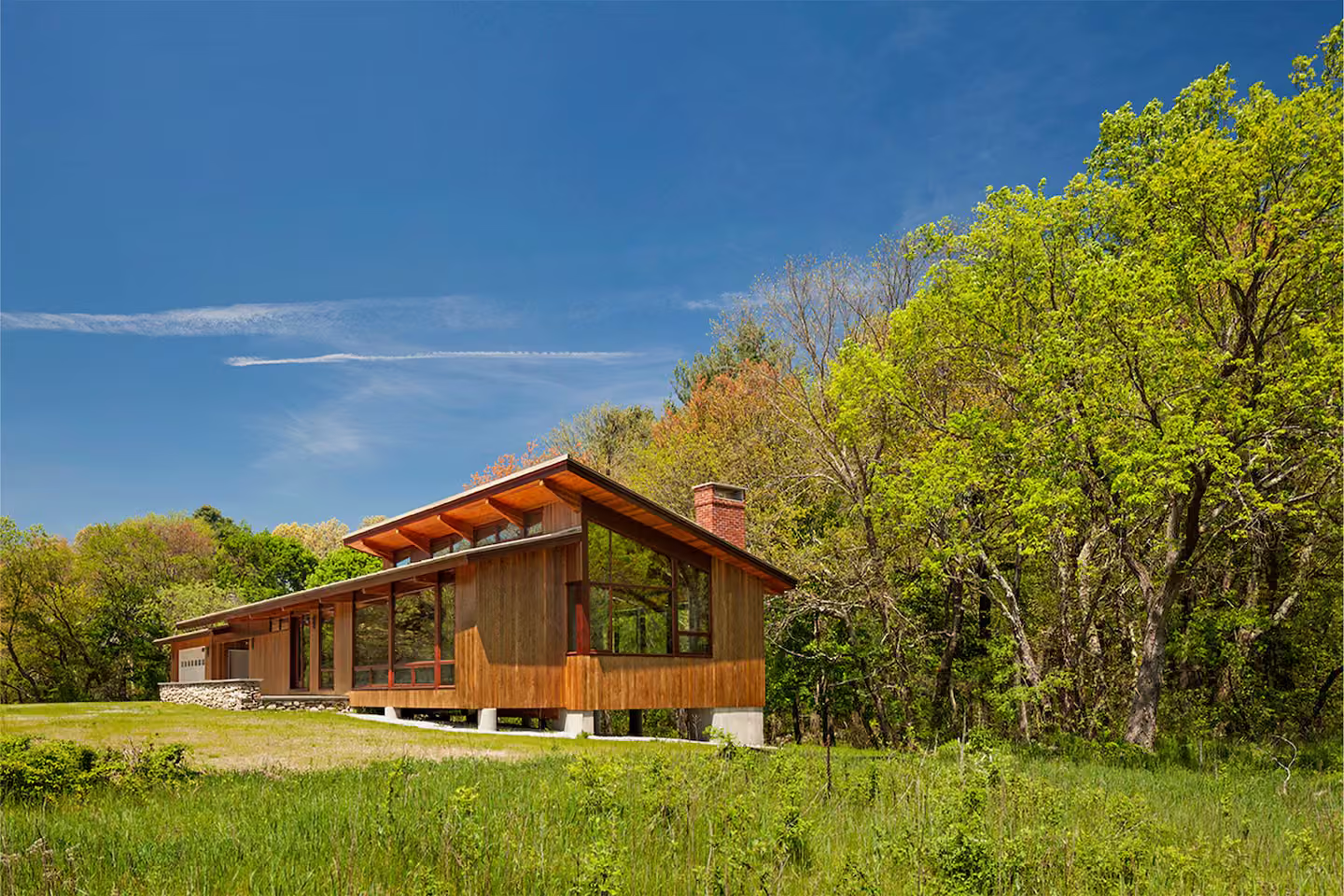
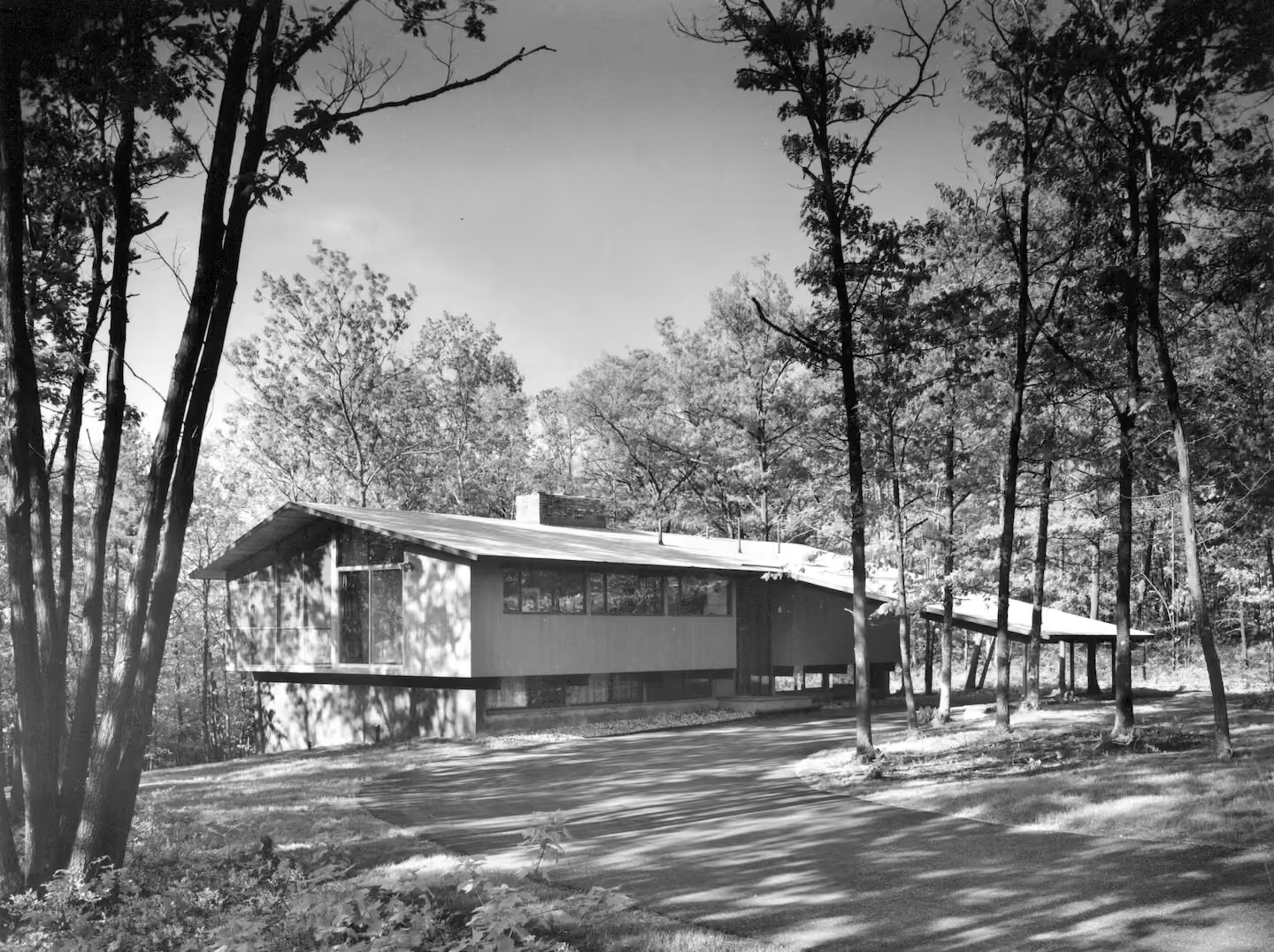
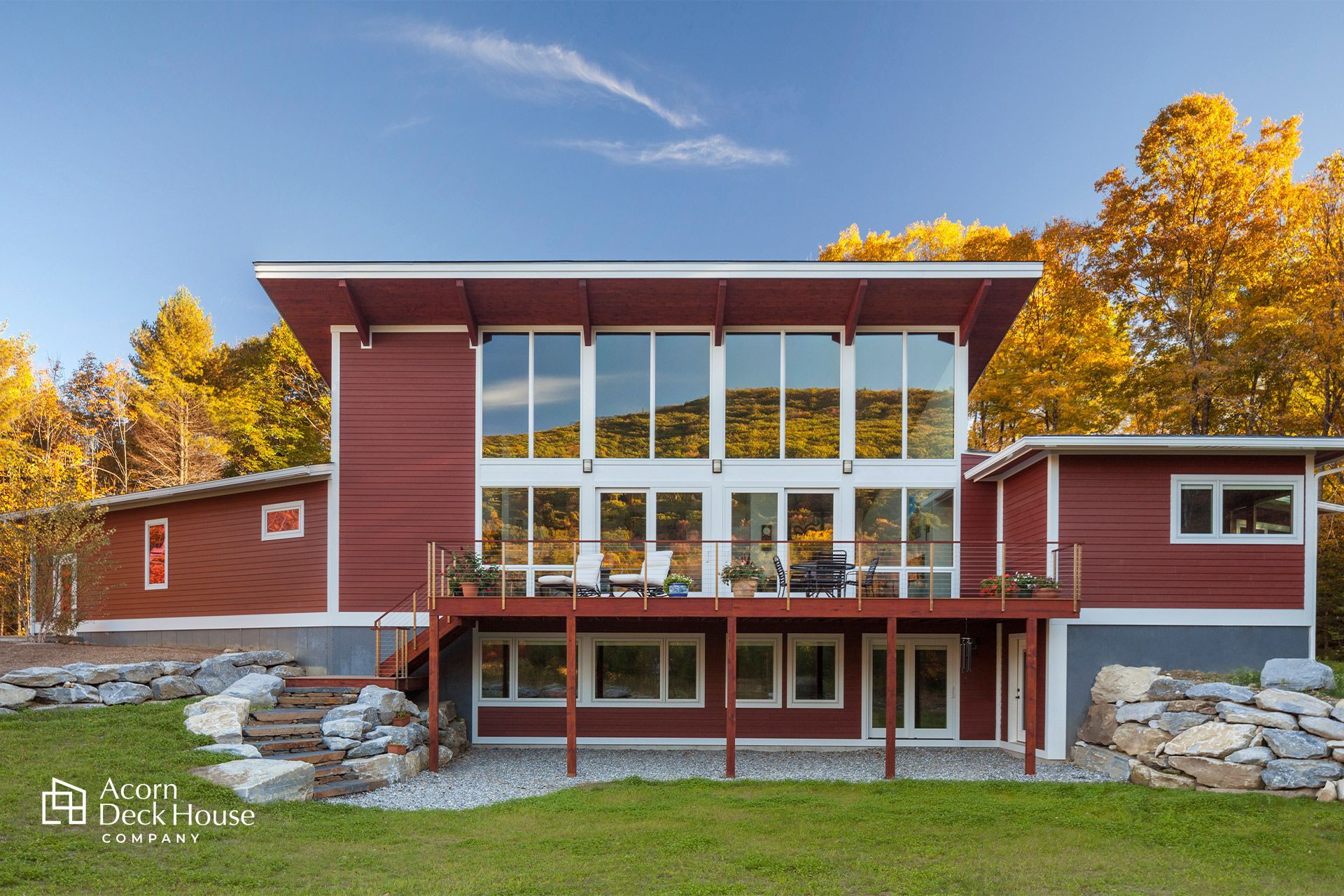
Explore a beautiful Berkshires Deck House blending signature post-and-beam construction with traditional framing, personalized details, and flexible design.
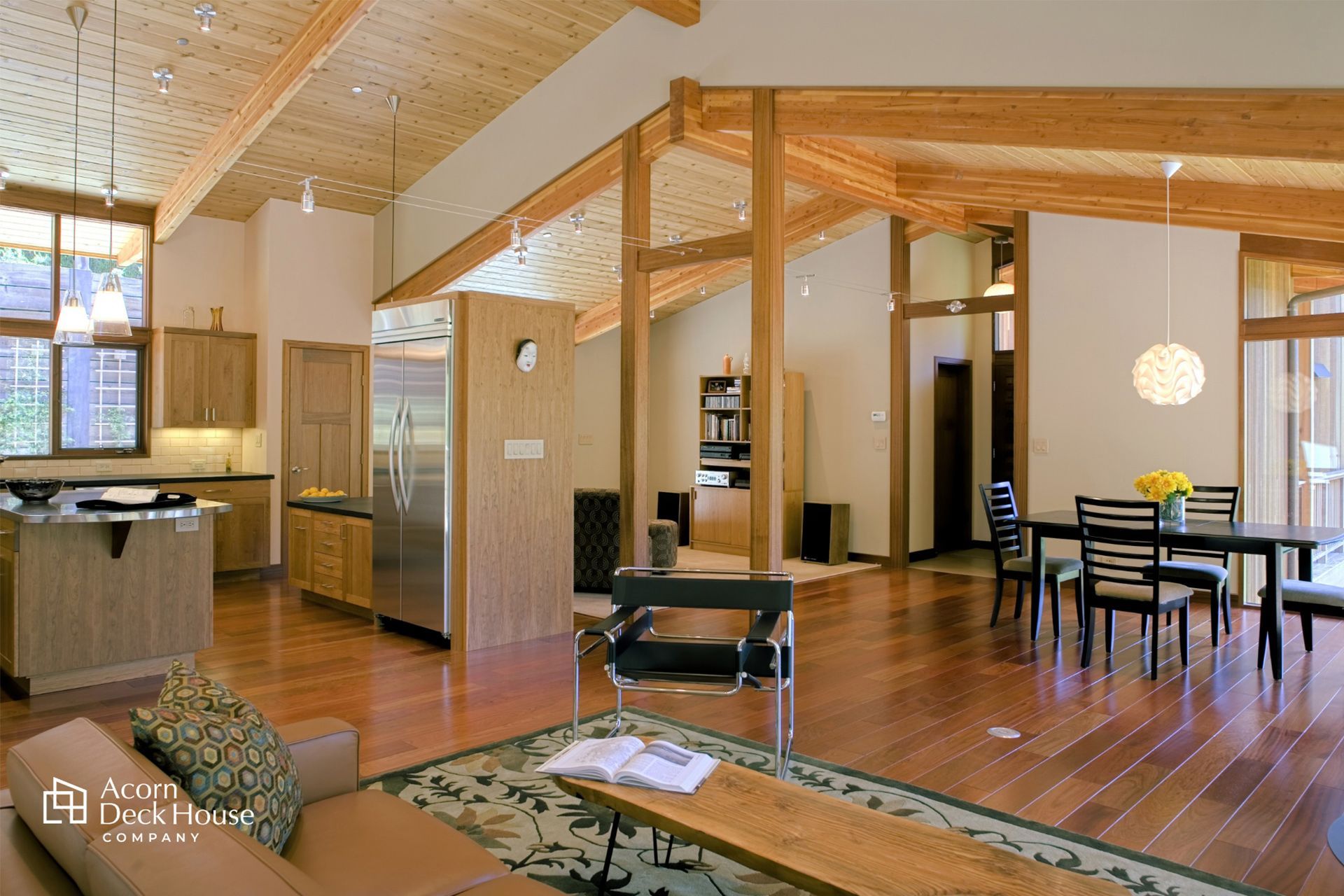
Discover how post-and-beam construction creates open, flexible spaces and distinctive character in Deck House homes, where structure becomes part of the design.
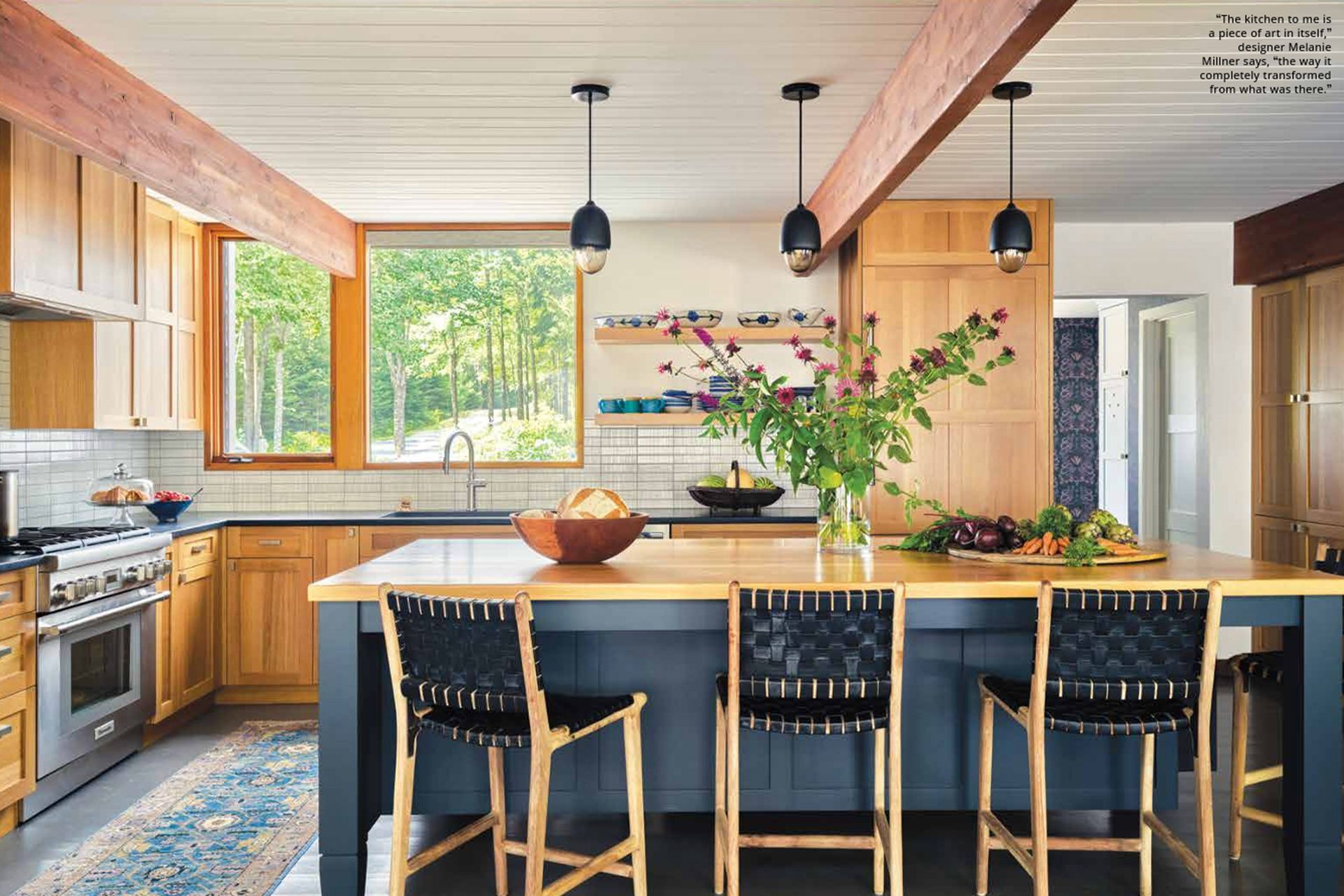
As Seen In Decor Maine Magazine, June 2026 This homeowner and their architect took advantage of our commitment to our homes by conferring with our parts and service department. Renovating a home to showcase their art collection and art they commissioned just for this Deck House with its spectacular views and clean lines was made easier […]
The post Deck House Renovation Showcases Art Collection appeared first on Acorn Deck House.
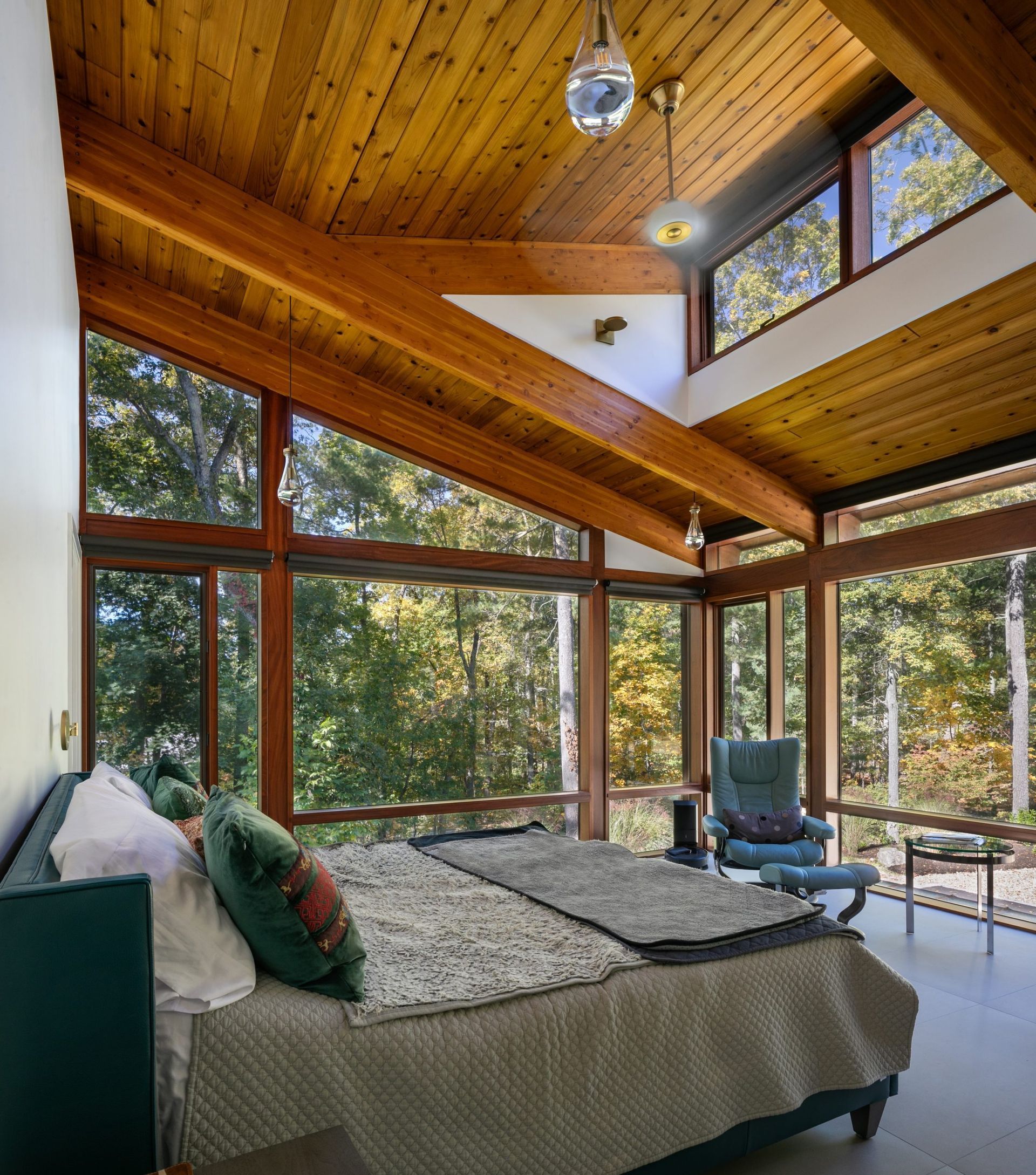
Drumlin is an Architectural Collaboration that returned this MCM to its roots with clean lines and abundant light incorporating today’s sensibilities. Foley Fiore Architecture asked that the homeowner bring Acorn Deck House aboard to bring back the original feel of this 1971 home to counter a previous addition to the classic deck house that was […]
The post Drumlin: Returning This MCM To Its Roots appeared first on Acorn Deck House.
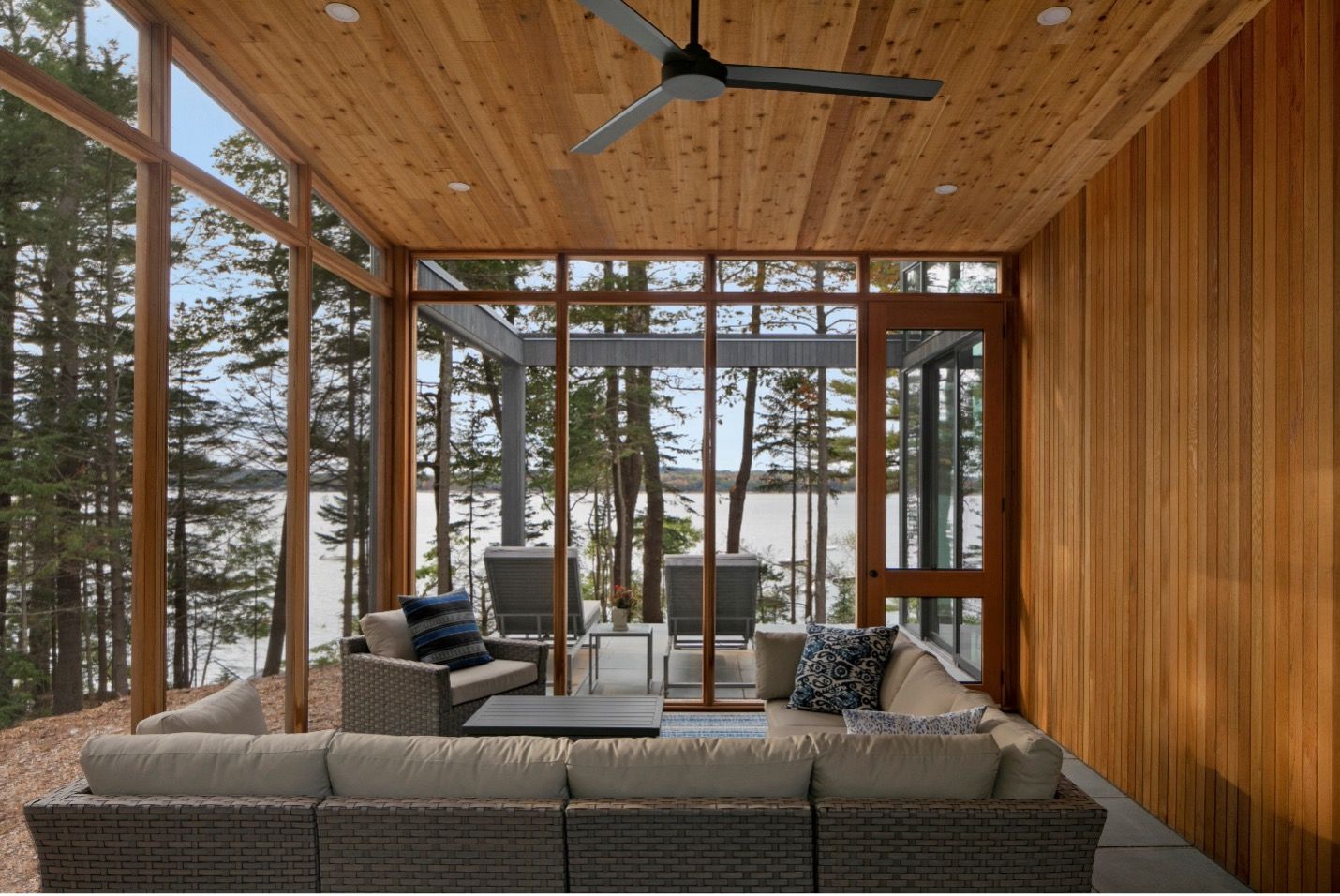
As winter ends at Acorn Deck House Company, springtime brings a renewed sense of hope: longer days, warmer winds, and the compelling pull to get outdoors. Springtime highlights what these homes do best: celebrating natural light & embracing the scenery. One of the signature hallmarks of an Acorn Deck House home is the expansive walls […]
The post Expansive Homes Designed for the Landscape appeared first on Acorn Deck House.
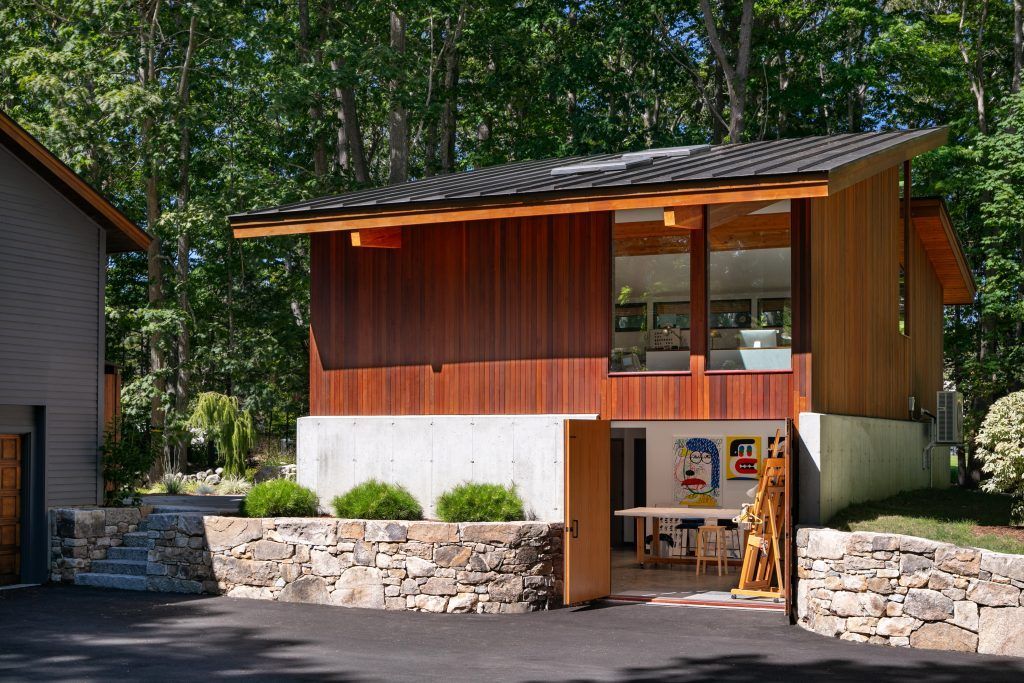
Walk into any artist’s studio and you quickly realize it’s far more than a workspace. It’s a living archive of ideas, a testing ground for experiments, and an intimate self‑portrait of the artist who inhabits it. Whether cluttered or perfectly minimal, sun‑drenched or dim and atmospheric, the artist’s studio reveals how art comes to life […]
The post A Fresh Take on the Artist’s Studio appeared first on Acorn Deck House.
← Back to Acorn Deck House Company Blog As we embrace the transformative season of the new 2026 year, let’s reflect on the Acorn Deck House homeowners, craftsmen, designers, and support staff to celebrate the incredible community that they encompass year after year. First, the homeowners drive daily operations as they require new designs as […]
The post A Year of Innovation and Teamwork appeared first on Acorn Deck House.
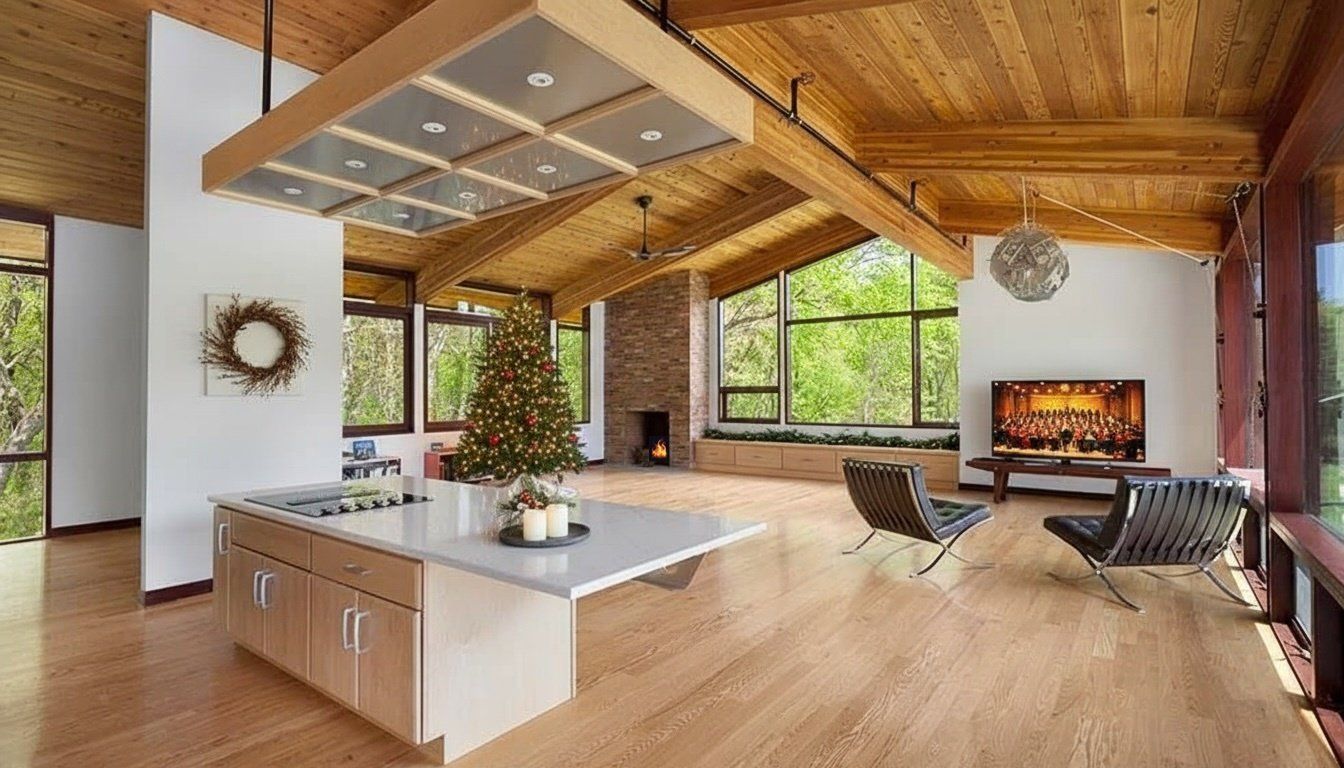
← Back to Acorn Deck House Company Blog The holiday season is a time for getting cozy & gathering with loved ones. It is also the perfect opportunity to reflect on the design principles that make a house a true home. At Acorn Deck House Company, the design philosophy is centered on seamless integration of […]
The post Homes Designed for the Coziest Season appeared first on Acorn Deck House.
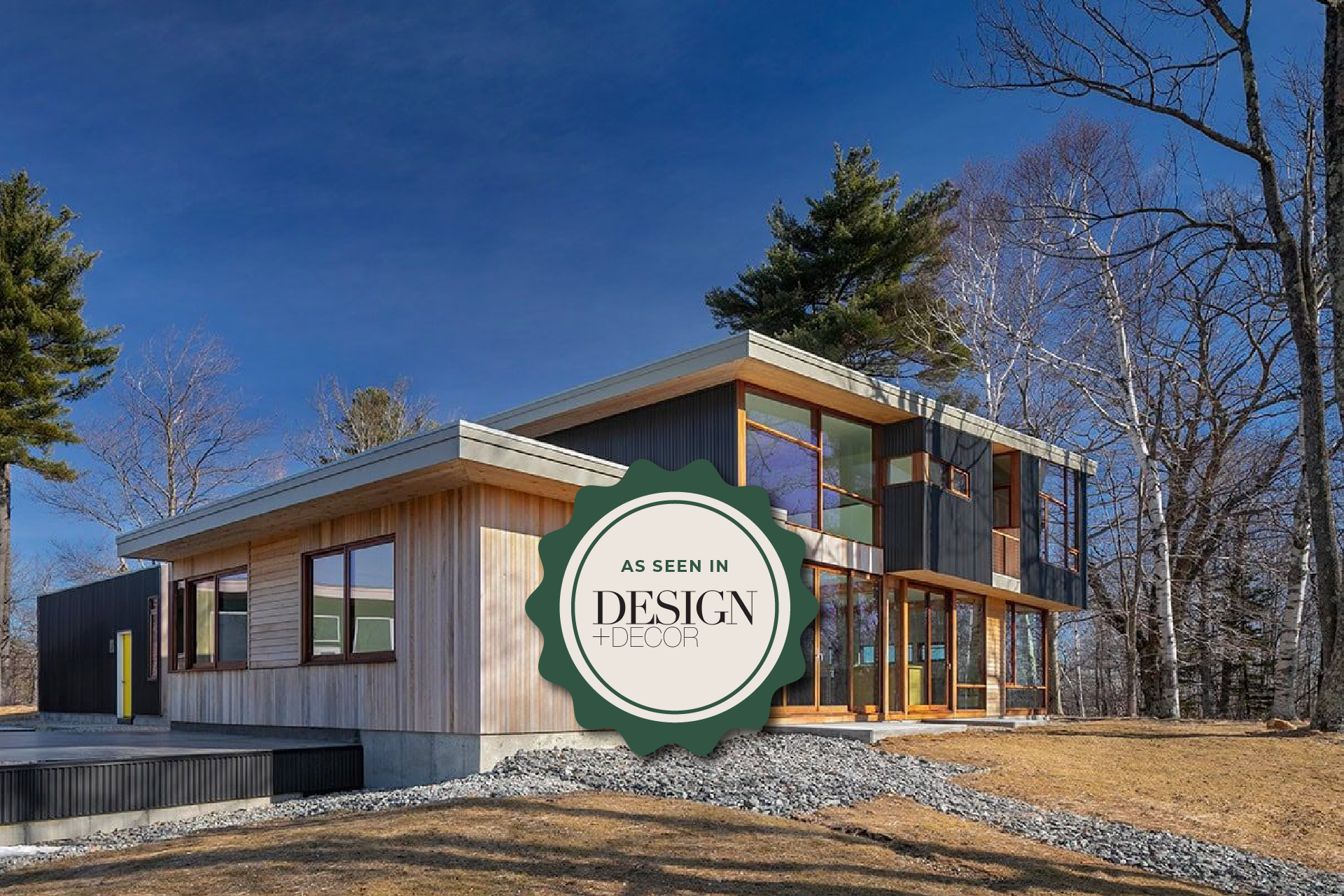
As Seen in Design + Decor, Tri-State Edition, November 2025
The post Design + Decor Precision in Nature appeared first on Acorn Deck House.
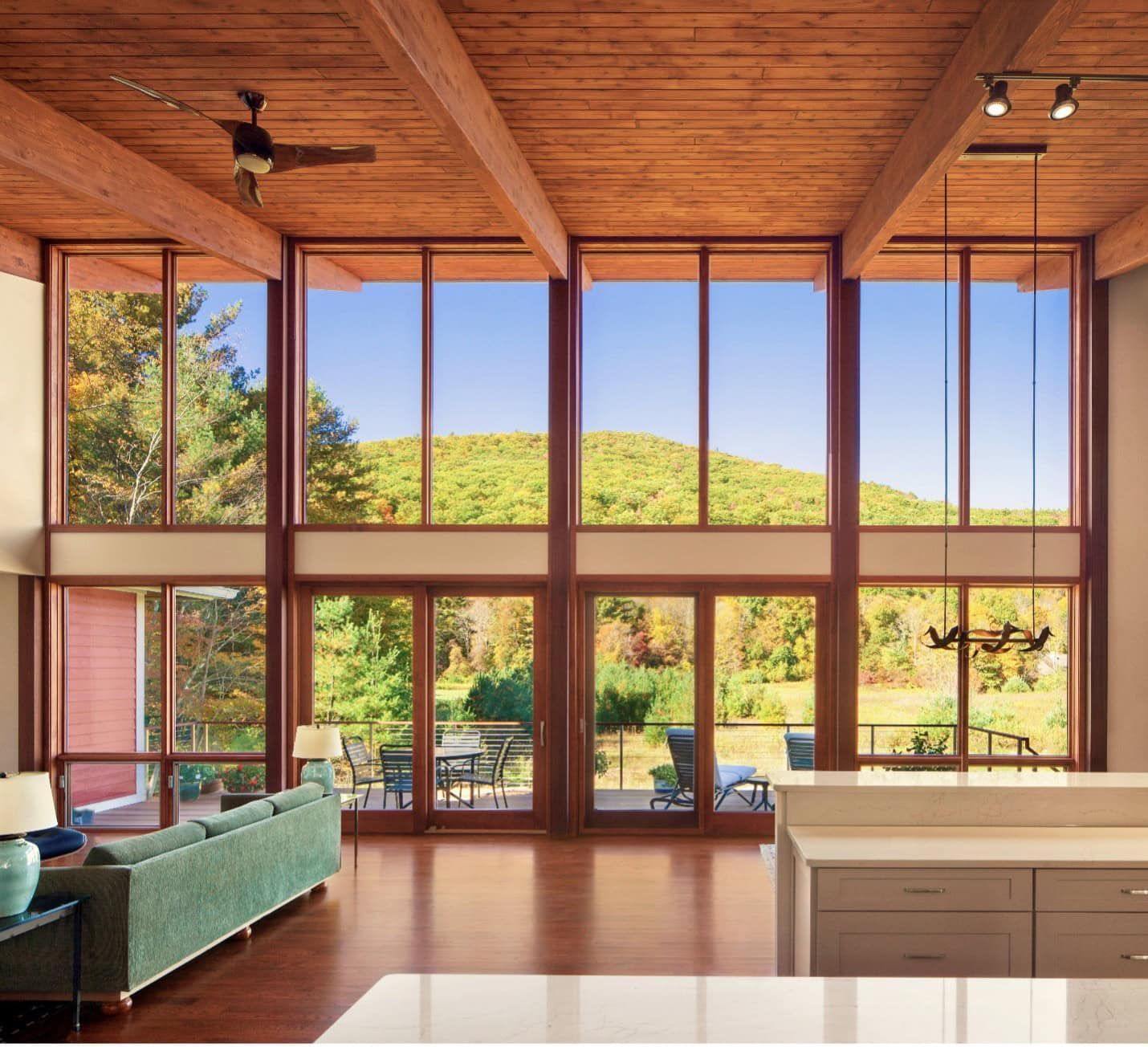
← Back to Acorn Deck House Company Blog The Acorn Deck House Company luxury home design & build process offers customers a unique blend of modern architectural heritage, full customization, and precision prefabrication. Unlike conventional framing, the exposed post-and-beam designs create soaring ceilings, expansive glass walls, and open floor plans. A distinctive mix of mid-century […]
The post Crafting Light, Space, and Legacy appeared first on Acorn Deck House.